Wednesday, 8 August 2012

Pomegranate Juice and Blood Pressure


Pomegranate juice has shown promise in early studies for its blood pressure lowering effects.
According to the Mayo Clinic, more research needs to be done to determine how well pomegranate juice works in lowering blood pressure but the evidence so far looks promising.
It is believed that the high level of antioxidants in pomegranate juice is responsible for its heart-protective and cholesterol-lowering effects.
The Mayo Clinic says, "Pomegranate juice is generally safe to drink. Most studies have used a daily intake of 1.5 ounces of pomegranate juice with no significant side effects."
Adding pomegranate juice to your daily routine may be a safe and delicious way to reduce your blood pressure.
 Original Article Here

Anti-Aging Properties of Vitamin C


Aging is an inevitable process that everyone experiences, although there are a few things that can be done to slow the aging process. Recent studies have found a link between vitamin C and anti-aging, and some natural remedies use this vitamin to prevent the signs of aging.
Elements of Aging There are two aspects of aging: lifespan and appearance. Even though most people are only focused on the appearance, certain anti-aging treatments can also extend lifespan. Vitamin C can help to reduce the physical signs of aging and keep internal functions in good condition.
Cellular Damage People age as a result of damage on a cellular level. A normal process called oxidation occurs and cells need to replenish and re-grow in order to recover from the oxidation. When free radicals are present in higher levels, then the cellular damage will occur more quickly, causing aging to accelerate. However, getting enough antioxidants, such as vitamin C, can slow this process by reducing the amount of free radicals in the body.
Age Related Diseases Another benefit of vitamin C in the aging process is the fact that it helps to strengthen the immune system, which can be beneficial in preventing age-related diseases.
Werner's Syndrome and Aging When a person has Werner's syndrome, aging and age-related diseases are accelerated. The FASEB Journal found that an increase in daily vitamin C can stop the aging related to Werner's syndrome and vitamin C may even reverse the damage that has already occurred.
 Original Article Here

10 Foods With Sulforaphane


Sulforaphane is a compound that has been found to have several health benefits, including powerful anti-cancer properties. All of the foods that contain sulforaphane are cruciferous vegetables, members of the Brassicaceae family, which means that they are goitrogenic. This means that they may worsen hypothyroidism symptoms in people prone to that disorder. If your thyroid is healthy you should not be concerned about consuming cruciferous vegetables as long as you are not eating massive amounts.
Here are 10 foods that contain sulforaphane.
Broccoli Sprouts Broccoli sprouts, the immature seedlings of the broccoli plant, contain more sulforaphane than any other vegetables, inluding full grown broccoli. Research has found that they contain anywhere from 10 to 100 times more of the compound than broccoli. Cooking vegetables containing sulforaphane reduces the amount of sulforaphane they contain, which is another reason why broccoli sprouts are a great way to get it - they are usually eaten raw, while many of the other foods on this list are eaten cooked and often boiled, which is the worst way to cook vegetables if you want to preserve nutrients.
Broccoli
Broccoli isn't as high in sulforaphane as its sprouts, but it's still one of the top on the list. Eat it raw or lightly steamed for maximum benefit. Boiling it negates most of the nutrition.
Cauliflower
Cauliflower is often thought of as broccoli's bland, white brother. However, it is high in nutrients, including sulforaphane, and it doesn't have to be boring if you are creative. It is also a versatile vegetable that is often used by raw foodists and low carbers as a food subsitute. It makes a good faux rice that is delicious raw or cooked. (See Riced Cauliflower as a Rice Substitute)
Brussels Sprouts Brussels sprouts are a great source of sulforaphane. However, most people eat them cooked and, as mentioned above, this reduces the level of sulforaphane they contain. Instead of boiling them as many people do, lightly steam them or saute them in order to retain the most benefits.
Savoy Cabbage Savoy cabbage contains high levels of sulforaphane. As with everything else on this list, the less you cook it, the better. Unlike other types of cabbage, Savoy doesn't have the sulfur smell that so many people find unpleasant about cooked cabbage.
Red Cabbage Red cabbage contains lower levels of sulphoraphane than Savoy cabbage, but has almost as much. Red cabbage is great raw in salads and coleslaw, but can also be lightly cooked in stir fries and other recipes.
Kohlrabi Kohlrabi, another type of cabbage, is also a great source. It tastes great raw and is a great addition to raw vegetable platters with dips.
Kale
Kale is one of the healthiest vegetables you can eat, and one reason is its sulforaphane content. Try adding raw kale to green smoothies, lightly saute it, or steam it.
Collard Greens Collards are also a good source of sulforaphane. Add raw collards to a green smoothie along with a banana and some kale or use a raw collard leaf as a sandwich or burrito wrap. It's delicious! (See Collard Greens as Sandwich Wraps)
Horseradish Many people don't realize that horseradish is a Brassicaceae like the vegetables listed above and contains sulforaphane just like they do. Add a bit of horseradish to your recipes and you'll get a health boost along with a health boost.
Original Article Here


20 Fruits and Vegetables High in Magnesium


Getting magnesium from fruits and vegetables is easy but even for the health conscious among us, it's easy to forget to eat all of the foods necessary to maintain balanced nutrition.
An estimated two thirds of Americans are not consuming their daily recommended amount of magnesium. Here are 20 fruits and vegetables that are high in magnesium.
Spinach
Canned spinach contains 163 mg of magnesium per cup. Fresh unsalted cooked spinach contains 157 mg of magnesium per cup.
Beet Greens Beet greens contain 98 mg per cup.
Dates Dates contain 77 mg per cup.
Okra 
Okra(frozen) contains about 74 mg per cup.
Artichokes 
Artichokes contain 71 mg per cup.
Peas 
Peas contain 71 mg per cup.
Papayas  Papayas contain 64 mg per cup.
Potatoes 
Unpeeled potatoes contain 57 mg of magnesium per cup.
Pumpkin 
Canned pumpkin contains 56 mg per cup.
Sweet Potatoes  Sweet potatoes contain 56 mg per cup.
Collard Greens Cooked collard greens contain 51 mg per cup.
Corn
Yellow corn contains 48 mg per cup.
Squash
Squash contains about 43 mg per cup.
Cucumber
Cucumbers with skin intact contain 39 mg per cup and 34 mg per cup if peeled.
Rutabaga 
Rutabaga contains about 39 mg per cup.
Broccoli 
Cooked broccoli contains about 33 mg per cup.
Banana
One banana has about 32 mg of magnesium.
Brussels Sprouts Cooked Brussels sprouts contain about 31 mg per cup.
Grapefruit
Both pink and white grapefruits contain about 20.7 mg of magnesium per cup.
 Original Article Here

8 Health Benefits of Bananas


Banana, the once-exotic fruit, has found its way into our daily lives. Whether sliced over cereal or blended in a smoothie, here are eight great reasons to include about four bananas a week in your diet.
Diet
One banana has 11% of the RDA of dietary fiber and only about 108 calories. The fiber in bananas not only keeps digestion regular, but also helps maintain low blood sugar and curbs overeating.
Lower Blood Pressure Studies show that the high amounts of potassium in bananas (over 13% of the RDA) can lower one's blood pressure, which in turn lessens the possibility of atherosclerosis, heart attack and stroke.
Bone Health Along with lowering blood pressure, potassium prevents the weakening of the body's bones. A high sodium intake, which is typical of many American diets, can cause excessive amount of calcium to be lost through the urine, which threatens not only the strength and general health of the bones, but also negatively affects blood clotting, proper muscle contraction, and normal nervous system function. The potassium found in bananas neutralizes the high amounts of sodium in one's diet, thus allowing for healthy amounts of calcium to remain within the body.
High Nutrient Absorption The potassium in bananas is not the only means to ensure healthy levels of calcium in the body. Bananas also contain high levels of fructooligosaccharide (FOS) that--along with insulin--promotes calcium absorption. FOS further nourishes healthy bacteria in the colon that manufacture vitamins and digestive enzymes that boost the body's overall ability to absorb nutrients.
Healthy Digestive Tract Bananas can diminish the uncomfortable effects of diarrhea and constipation. The high amounts of potassium in bananas can restock electrolytes that are easily depleted when suffering from diarrhea -- potassium being an important electrolyte itself. Furthermore, bananas can relieve the body from constipation and help restore regular digestion with pectin, a soluble polysaccharide that helps normalize the digestive tract.
Rugged Gut Bananas protect the healthy constitution of the stomach in two ways. Firstly, they trigger the production of mucus in the stomach, which provides a protective barrier against stomach acids. Secondly, bananas possess protease inhibitors, a substance that breaks down bacteria in the stomach that cause ulcers. (Moreover, protease inhibitor also obstruct the replication of certain cells and viruses, including HIV.)
Cancer Prevention A large study by the Internal Journal of Cancer illustrates that the probability of developing kidney cancer is greatly lessened by frequent consumption of fruits and vegetables, though especially bananas. For instance, the probability of developing kidney cancer in female subjects decreased by 50% when eating bananas four to six times a week.
Vitamin B6 One banana has an impressive 34% of the RDA of vitamin B6, which serves many important roles in the body's health. For example, the B6 in bananas acts as an anti-inflammatory agent that helps ward off cardiovascular disease, type II diabetes, as well as obesity. B6 also contributes to the maintenance of the lymphoid glands that ensure the production of healthy white blood cells that protect the body from infection. Finally, the vitamin B6 in bananas plays a pivotal part in cell formation and proper nervous system function, making one banana a day a healthy and delicious choice.

12 Foods That Contain Anthocyanins


Anthocyanin is a plant compound and pigment responsible for the dark purple, red and blue colors of many fruits that also acts as a powerful antioxidant in the human body. Often taken as a supplement, they are commonly found in many dark berries and fruits, but a variety of other healthy foods are full of this useful antioxidant as well.
Here are 12 foods that contain anthocyanins.
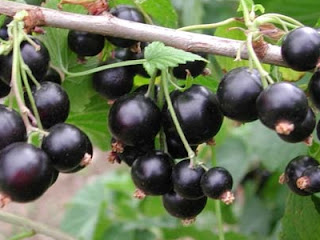
Blackberries & Other Berries Most berries have good amounts of anthocyanins. Raspberry, blackberry, blueberry, bilberry, elderberry, cranberry, and virtually any blue, purple or red-skinned berry, are likely to have a high concentration of anthocyanins. In general, blackberries have the highest antioxidant capacity of any fruit. The specific degree of health benefits of each berry may vary.
Cherries
Tart cherries have a higher concentration of anthocyanins than sweet cherries, but any cherry is a good source; the darker the better.
Black Currant Many studies involving anthocyanins site black currant as the supplement of choice.
Grapes and Wine Concord and muscadine grapes are ripe with anothocyanins, but all grapes are a good source. Anthocyanins are found mostly in the skin of grapes. Since white wine is fermented without grape skins, red wine varietals are a much better source of anthocyanins than white varietals.
Plums
These dark, purple fruits are one of the staples of anthocyanin foods.
Pomegranates
Anothocyanins are only one of many powerful antioxidants found in pomegranates.
Bananas
Many researchers have been surprised to learn that bananas (not noted for their dark color) are a rich source of anthocyanins.
Eggplant
Sometimes referred to as a "brain food," due in part because the anthocyanins found mostly in the eggplant skin, help protect the lipids (fats) in brain cell membranes.
Asparagus
Recent studies have found purple asparagus to contain high amounts of anthocyanins.
Red Cabbage Scientists have found 36 different types of anthocyanins in red cabbage.
Red Fleshed Peaches According to researchers, fruits with red flesh carry many of the same health benefits as dark berries, due in part to the high levels of anthocyanins found in both.
Black Beans & Kidney Beans Many beans may have trace amounts of anthocyanins, but black beans and kidney beans have more significant levels.
Other Foods Many other foods contain anthocyanins. Notable amounts have been detected in pears, peas, black rice, fennel, potatoes, and red onions.
 Original Article Here

Riced Cauliflower as a Rice Substitute


When I first heard about using cauliflower as a rice substitute I was skeptical. So a few months ago I decided to try it and was surprised at how good it was. Now I'm a cauliflower convert.
You might ask, "Why would anyone want to substitute something else for rice, anyway?" Some people, for medical reasons, cannot eat grains. Others are avoiding grains because they're on a diet. Rice has a lot of calories and is high in carbohydrates. Or maybe you're just looking for a way to get your family to eat more vegetables. Cauliflower rice is a great way to do that. Also, cauliflower is just plain fantastic for your health.
You can use cauliflower rice in any recipe that calls for rice. I've made Asian stir fries, Mexican rice, bean and rice burritos, chicken burritos, and risotto dishes. I'd like to try it in sushi rolls next.
So how is the basic rice done? Just take a head of raw cauliflower (preferably organic) and, using a food processor or a cheese grater, grate it into rice-sized bits.
Using a clean towel, press out as much of the moisture as you can from the grated cauliflower before using it in your recipe.
The rest is up to you. Season the rice however you want for the recipe you're preparing. I think you'll be as surprised as I was to find how good it can be and doubly surprised when vegetable-fearing members of your family start begging for more!
 Original Article Here

 
Powered by Blogger